
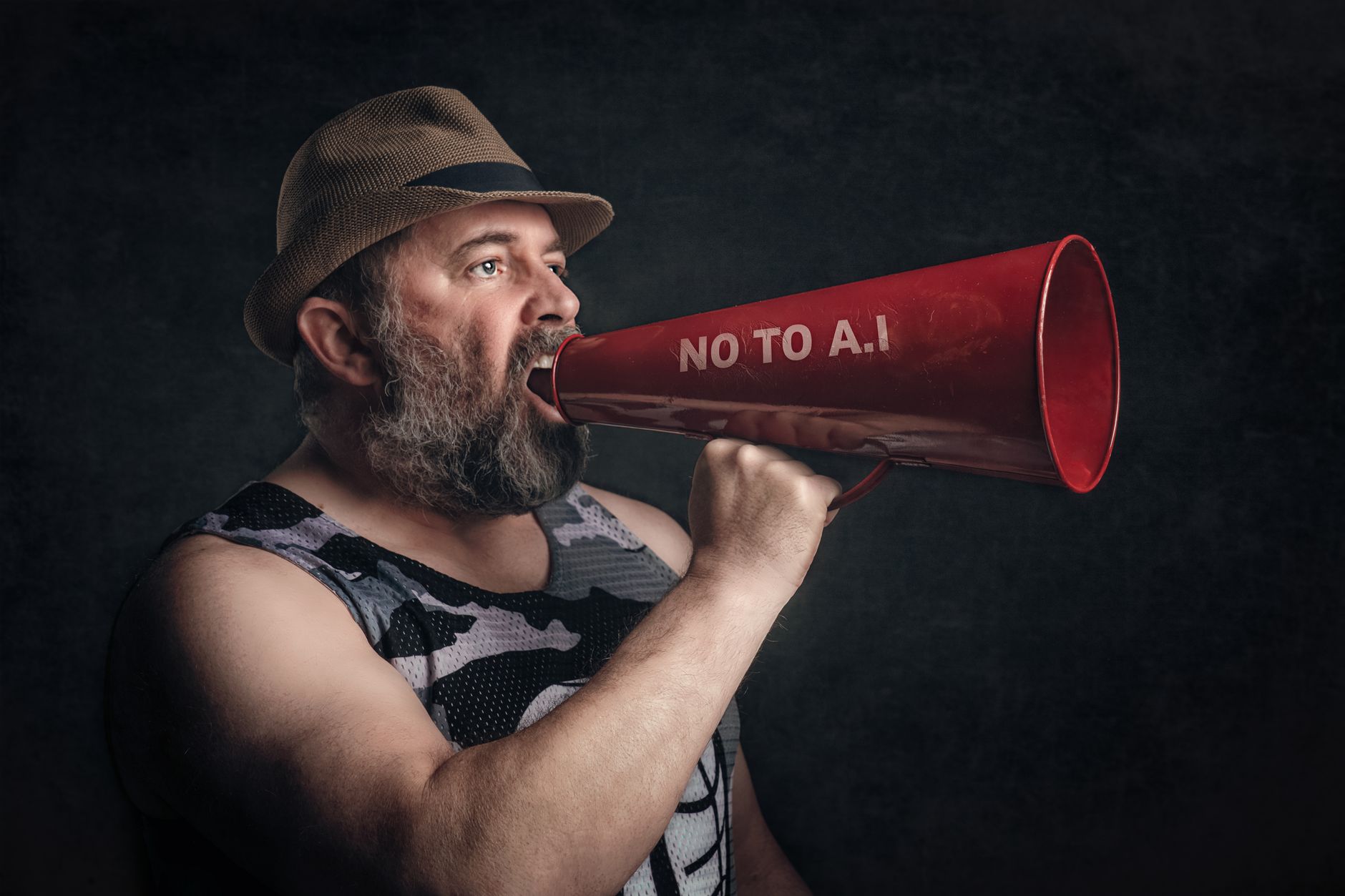
Voice AI Models: Are They Mispronouncing Drug Names?
voice AI models are increasingly mispronouncing drug names, with reports indicating that up to one in three newly approved names are affected. This raises concerns about the reliability of these technologies in critical healthcare settings.
Introduction to Voice AI Models
Voice AI models have become increasingly prevalent in various sectors, including healthcare, where accurate communication is crucial. These advanced systems utilize artificial intelligence to understand and produce human-like speech, allowing for seamless interactions between users and devices. However, recent findings suggest that even the leading voice AI models may struggle with specific terminology, particularly in the medical field.
A study conducted by Synthio Labs revealed alarming results regarding the pronunciation of newly approved drug names. The research indicated that up to one in three drug names is mispronounced by these voice AI models. This raises significant concerns, as mispronunciation can lead to misunderstandings and potentially jeopardize patient safety.
Understanding the challenges faced by voice AI models in accurately pronouncing complex drug names is essential for improving their performance. The intricacies of medical terminology, including unique syllable structures and variations in pronunciation, can pose challenges for even the most sophisticated algorithms.
As healthcare professionals increasingly rely on voice AI for tasks such as medication management and patient interactions, ensuring the accuracy of these models becomes imperative. Continuous improvement and training of voice AI models are necessary to enhance their understanding of medical language, ultimately leading to better outcomes for patients and providers alike.
In conclusion, while voice AI models offer tremendous potential, the need for accuracy in drug name pronunciation cannot be overstated.
The Importance of Accurate Pronunciation
The accuracy of voice AI models plays a crucial role in various sectors, particularly in healthcare. As these technologies become more integrated into medical settings, the need for precise pronunciation of drug names has never been more critical. When a voice AI mispronounces a medication, it can lead to significant consequences, including misunderstandings in patient care and medication errors.
A recent report by Synthio Labs highlights that leading voice AI models mispronounce up to one in three newly approved drug names. This alarming statistic raises concerns about the reliability of these systems, especially when they are used in environments where clarity is essential.
In a field where every syllable matters, the implications of such inaccuracies can be profound. Healthcare professionals rely on accurate communication to ensure patient safety, and mispronounced drug names can lead to confusion among practitioners and patients alike. As voice AI models continue to evolve, ensuring their precision in terminology is paramount.
Moreover, the integration of voice AI in telehealth and prescription management emphasizes the necessity for these systems to perform flawlessly. Incorrect pronunciations can not only frustrate users but also undermine trust in the technology itself. Therefore, addressing these issues should be a top priority for developers, as the future of healthcare increasingly depends on effective and accurate voice AI models.
Impact on Healthcare Communication
The advent of voice AI models in healthcare communication has opened new avenues for patient interaction and data management. However, recent findings from Synthio Labs raise crucial concerns regarding the accuracy of these models in pronouncing drug names. The study revealed that leading voice AI systems mispronounce up to one in three newly approved medications, which can have significant implications for both healthcare providers and patients.
Mispronunciation can lead to misunderstandings, potentially jeopardizing patient safety. For instance, a healthcare professional relying on a voice AI model for medication management may inadvertently dispense the wrong drug due to a miscommunicated name. This can contribute to adverse drug events, which are already a major concern within the healthcare system.
Furthermore, the impact extends beyond clinical settings. Patients using voice-activated technologies to manage their prescriptions may find themselves confused or misinformed about their medications. This confusion can lead to non-adherence to prescribed treatments, further complicating health outcomes.
To mitigate these risks, it is essential for developers of voice AI models to prioritize accurate pronunciation and consider the unique challenges posed by medical terminology. Stakeholders must advocate for greater collaboration between voice technology experts and healthcare professionals to ensure that innovations in voice AI enhance, rather than hinder, effective communication in healthcare settings.
Recent Findings from Synthio Labs
Recent research from Synthio Labs has raised significant concerns regarding the accuracy of voice AI models, particularly in the realm of healthcare. Their newly launched DOSE Benchmark revealed that leading voice AI models mispronounce up to one in three newly approved drug names. This finding highlights a critical issue, as accurate pronunciation is essential for effective communication between healthcare providers and patients.
According to Synthio Labs, the mispronunciation of drug names can lead to confusion and potentially hazardous situations. Patients relying on voice AI for medication management might misunderstand instructions, which could result in improper usage or adherence to prescriptions. This concern is particularly pressing as voice AI models become more integrated into healthcare applications.
The study evaluated several popular voice AI systems, comparing their performance against standard pronunciation guides. The results were alarming:
- Inconsistency: Many models displayed a lack of consistency in pronouncing the same drug name across different contexts.
- Variability: Some models struggled more with complex or less commonly used drug names.
- Potential Risks: Mispronunciations could lead to misunderstanding in critical healthcare scenarios.
As voice AI models continue to evolve, addressing these pronunciation issues is imperative. Ensuring that these technologies communicate effectively could significantly enhance patient safety and healthcare outcomes.
How Mispronunciations Occur
Mispronunciations by voice AI models can stem from various factors, leading to significant implications in the healthcare sector. Understanding how these errors occur is essential for improving communication and patient safety.
One major reason for mispronunciations is the complexity of drug names. Many pharmaceutical compounds have intricate names that may include uncommon syllables or phonetic structures. Voice AI models often struggle with these nuances, especially when trained on datasets lacking diverse medical terminology.
Another contributing factor is the machine learning algorithms used in voice AI models. These algorithms rely on statistical patterns from the training data, and if specific drug names are infrequently represented, the models may not learn the correct pronunciation. Moreover, the contextual understanding of these models is limited, which can lead to further errors when encountering similar-sounding terms or acronyms.
The accents and dialects of the users can also introduce variability. Voice AI models may not be equally effective across different regional accents, leading to mispronunciations that affect comprehension. As voice AI models continue to be integrated into healthcare technologies, addressing these challenges becomes crucial.
In conclusion, the mispronunciation of drug names by voice AI models is a multifaceted issue that requires ongoing research and refinement to ensure accurate healthcare communication.
Solutions to Improve AI Pronunciation
To address the challenges of mispronunciation by voice AI models in the healthcare sector, several potential solutions have emerged. These solutions aim not only to enhance pronunciation accuracy but also to improve overall communication in medical settings.
- Enhanced Training Data: Incorporating a more diverse and extensive dataset, particularly one that includes correctly pronounced drug names, can significantly improve the performance of voice AI models. By using real-world examples and expert pronunciations during training, the models can learn from a broader range of pronunciations.
- Phonetic Analysis: Implementing phonetic algorithms can help AI systems better understand the nuances of drug names. These algorithms can break down names into their phonetic components, allowing the AI to generate more accurate pronunciations.
- User Feedback Mechanisms: Integrating feedback loops where users can correct mispronunciations may enable voice AI models to adapt and refine their pronunciations over time. This interactive approach not only enhances the models but also involves healthcare professionals in the process.
- Collaboration with Pharmacists: Partnering with pharmacy experts to create a comprehensive pronunciation guide can serve as a valuable resource for voice AI models. Pharmacists, with their extensive knowledge of drug names, can provide insights into common pronunciations and regional variations.
By implementing these solutions, the healthcare industry can work towards minimizing mispronunciations and improving the efficacy of voice AI models in clinical settings.
User Reactions and Concerns
As voice AI models become increasingly integrated into healthcare settings, user reactions to their performance, particularly in the pronunciation of drug names, have sparked significant concern. Many healthcare professionals and patients have reported difficulties in understanding voice AI outputs when drug names are mispronounced. This issue is not merely a matter of convenience; it can lead to serious misunderstandings regarding medication instructions.
In a recent survey conducted by Synthio Labs, over 60% of respondents indicated that they encountered challenges when using voice AI models to verify medication names. Among these respondents, 45% expressed frustration over the inability of AI systems to accurately pronounce newly approved drugs, which can be critical in ensuring patient safety.
Users have voiced their concerns through various channels, including social media and professional forums. Common complaints include:
- Miscommunication: Inaccurate pronunciation can create doubts about medication efficacy.
- Lack of Trust: Frequent errors may lead users to distrust voice AI models altogether.
- Increased Workload: Healthcare professionals often find themselves double-checking medications, adding to their already heavy workloads.
As voice AI models continue to evolve, addressing these pronunciation issues will be vital for enhancing user experience and maintaining trust in technology within the healthcare industry.
Future of Voice AI in Healthcare
The future of voice AI models in healthcare holds both promise and challenges, particularly as the technology continues to evolve and integrate into medical communication systems. As healthcare professionals increasingly rely on these models for tasks such as patient interaction and medication management, the accuracy of pronunciation becomes paramount.
Advancements in voice AI technology are expected to enhance the understanding and usability of these systems. However, as highlighted by recent findings, even leading voice AI models can mispronounce a significant percentage of newly approved drug names. This raises concerns regarding patient safety and the overall effectiveness of voice-assisted healthcare solutions.
To address these challenges, ongoing research and development are essential. Key areas of focus include:
- Enhanced Training Datasets: Incorporating diverse and comprehensive datasets that include medical terminology can improve pronunciation accuracy.
- Feedback Mechanisms: Implementing user feedback loops can help voice AI models learn from real-world interactions, refining their pronunciation over time.
- Collaboration with Healthcare Professionals: Engaging healthcare providers in the development process can ensure that the technology meets the specific needs of the industry.
As voice AI models become more integral to healthcare, the commitment to improving their accuracy will be crucial in fostering trust and ensuring patient safety in medical communications.
Photo by Murry Lee on Pexels
Where this came from
You might also like
