Mini Human Brains in Space: Proven NASA Experiment Insights
Mini human brains in space are being sent by SpaceX as part of a groundbreaking NASA experiment. This innovative research aims to understand how microgravity affects brain development and function.
What Are Mini Human Brains?
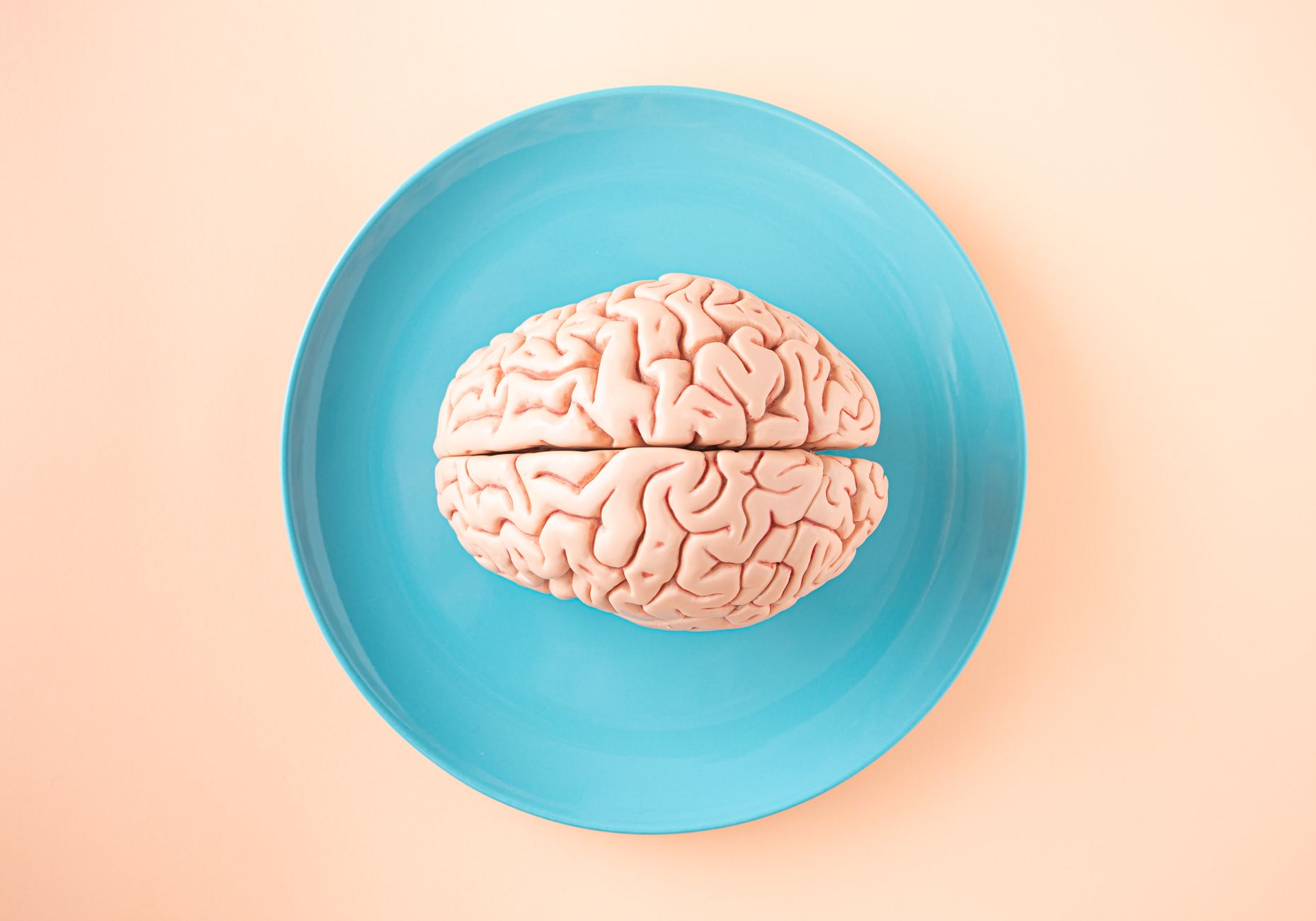
Mini human brains, often referred to as organoids, are tiny clusters of human brain cells that resemble the structure and function of the human brain. These miniature models are created from stem cells and have garnered significant attention in the scientific community due to their potential to advance our understanding of neurological diseases and brain development.
In recent years, researchers have successfully developed these organoids, which can mimic certain aspects of human brain activity. The significance of mini human brains in space experiments lies in their ability to provide insights into how the human brain responds to microgravity and other space conditions.
NASA’s recent experiment, conducted with the assistance of SpaceX, aimed to evaluate the effects of the space environment on these organoids. The experiment involves sending mini human brains to the International Space Station (ISS) to observe their development and behavior in microgravity.
Through this research, scientists hope to uncover critical information about brain function and potential adaptations when exposed to space conditions. The findings could lead to a deeper understanding of neurodevelopmental processes and pave the way for future studies on human health in space.
As we continue to explore the universe, the use of mini human brains in space represents a groundbreaking step in merging neuroscience with space exploration.
The Purpose of NASA’s Experiment
The purpose of NASA’s experiment involving mini human brains in space is to explore the effects of microgravity on brain development and function. This groundbreaking research aims to deepen our understanding of how the human brain responds to the unique conditions of space, providing valuable insights for future long-duration space missions.
Researchers are particularly interested in how neurons grow and communicate in an environment vastly different from Earth. By studying these mini human brains, scientists hope to unravel potential impacts on cognitive abilities and neurological health, which are critical factors for astronauts on extended missions beyond our planet.
Moreover, the experiment seeks to shed light on the underlying mechanisms of neurological disorders. Key objectives include:
- Understanding neuroplasticity: How does the brain adapt to microgravity?
- Investigating gene expression: What changes occur in brain cells due to space conditions?
- Assessing synaptic function: How does the communication between neurons change in space?
Ultimately, the knowledge gained from studying mini human brains in space could not only inform future space exploration but also contribute to advancements in treating neurological diseases on Earth. This innovative approach represents a significant step forward in the intersection of neuroscience and space science.
Impact of Microgravity on Brain Development
The impact of microgravity on brain development has been a subject of keen interest among scientists, especially in the context of mini human brains in space. Recent experiments conducted by NASA, using these miniature brain models, have provided vital insights into how weightlessness affects neural growth and function.
Microgravity poses unique challenges that can alter cellular behavior. Research indicates that the absence of gravitational forces can lead to:
- Altered Neuronal Growth: In a microgravity environment, neurons exhibit changes in their growth patterns, which may affect overall brain architecture.
- Impact on Synaptic Connections: The formation and strength of synapses, critical for communication between neurons, can be influenced by the conditions of space.
- Changes in Gene Expression: Mini human brains exposed to microgravity show variations in gene expression related to brain development and function.
- Potential for Neurodegenerative Changes: The long-term effects of microgravity could pose risks for neurodegeneration, necessitating further investigation.
Understanding these effects is essential for preparing future astronauts for long-duration space missions. It also opens new avenues for studying brain-related diseases on Earth, as the mini human brains in space serve as a valuable model for research.
Future Implications of Space Research
The groundbreaking experiment involving mini human brains in space has opened up a myriad of possibilities for future research and technological advancements. As scientists continue to explore the effects of microgravity on brain development, the implications extend far beyond just understanding human biology.
One of the most significant future implications is the potential for developing treatments for neurodegenerative diseases. Understanding how neurons behave in microgravity could lead to insights that are not achievable under Earth’s gravitational conditions. This research can help scientists devise new therapeutic strategies for conditions like Alzheimer’s and Parkinson’s disease.
Additionally, advancements in synthetic biology and tissue engineering may arise from the findings of this NASA experiment. The ability to grow and study human brain tissue in space could pave the way for innovations in organ transplantation and regenerative medicine.
Moreover, as humanity prepares for long-duration space missions, such as those planned for Mars, understanding the effects of space on the human brain becomes crucial. Insights gained from studying mini human brains can help in developing countermeasures to mitigate cognitive decline and ensure the well-being of astronauts.
Ultimately, the research on mini human brains in space not only enhances our comprehension of the brain itself but also holds the potential to revolutionize medical science and improve human health on Earth.
Photo by Amel Uzunovic on Pexels
Where this came from
You might also like
CleanTech funding surge: Best Proven Strategies for Success · NVIDIA B200 price: Worst spike as Tencent-Oracle deal hits · GTA 6 Launch Trailer: The Best First Look You Need