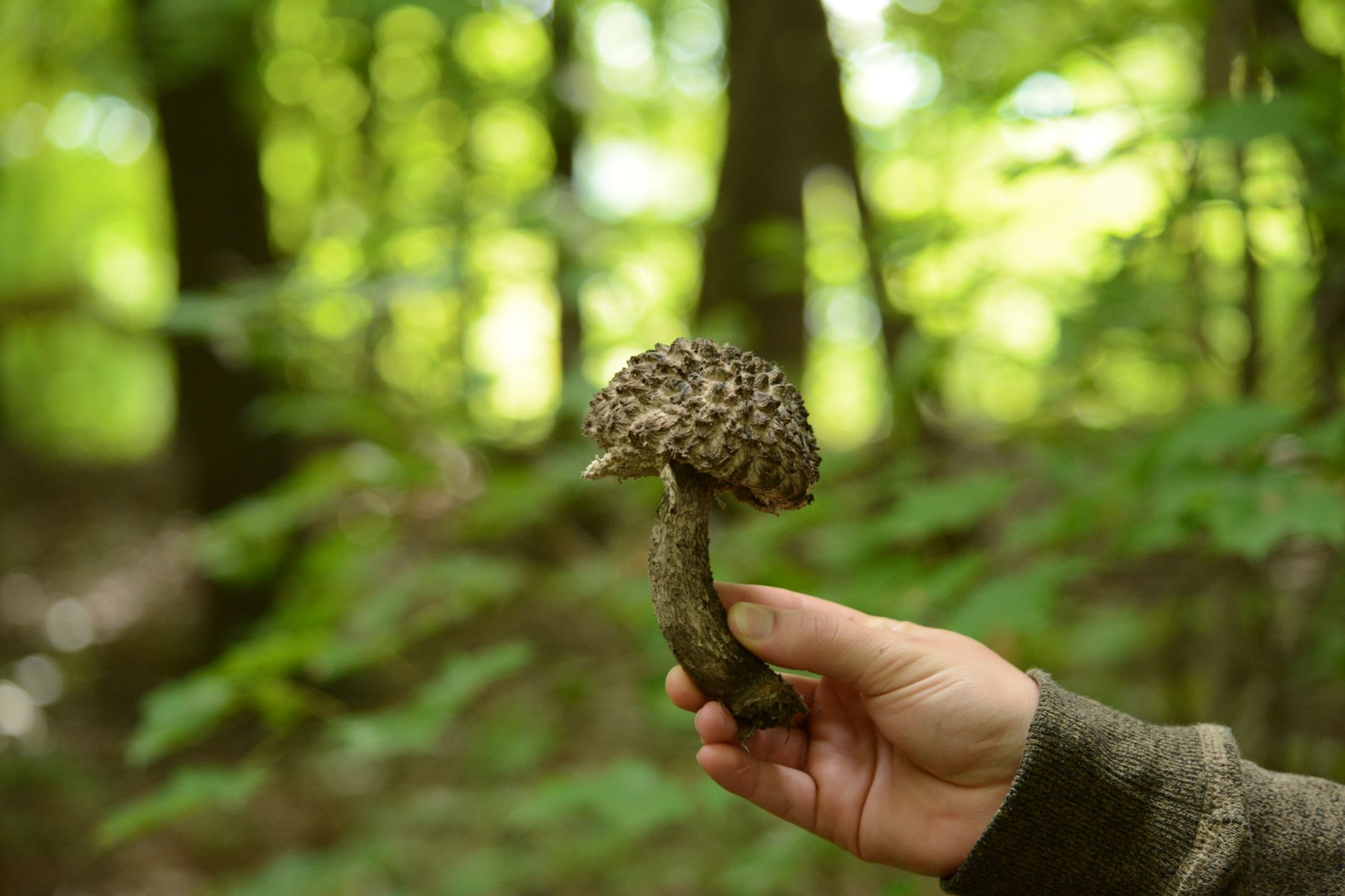
Giant fungus discovery: The Real Proven Impact of D-rex
Giant fungus discovery has unveiled D-rex, a remarkable organism found in Chinese forests. This giant fungus boasts a unique lineage that stretches back 65 million years, offering insights into ancient ecosystems.
What is D-rex?
D-rex is a newly discovered giant fungus that has emerged from the dense forests of China. This remarkable organism is believed to have a unique lineage that traces back an astonishing 65 million years, making it a significant find in the study of fungal evolution. Researchers have identified D-rex as a member of a previously unrecognized family of fungi, showcasing its distinct characteristics that set it apart from other known species.
The giant fungus discovery has sparked considerable interest within the scientific community due to its potential implications for our understanding of ecological systems and biodiversity. Initial studies suggest that D-rex plays a crucial role in nutrient cycling and soil health, which could have far-reaching effects on forest ecosystems.
Some key features of D-rex include:
- Size: D-rex can span several meters in length, making it one of the largest fungi ever recorded.
- Habitat: This fungus thrives in specific environmental conditions found in Chinese forests.
- Lineage: Its ancient lineage offers insights into the evolutionary history of fungi.
As research continues, the giant fungus discovery of D-rex may unlock new avenues in microbial studies and environmental science.
The significance of the giant fungus
The recent discovery of a giant fungus, known as D-rex, has significant implications for our understanding of fungal biology and ecology. This remarkable organism, found in the forests of China, represents a unique lineage that dates back approximately 65 million years, providing researchers with a rare glimpse into the ancient past of fungi.
One of the key aspects of the giant fungus discovery is its potential role in ecosystems. Fungi are essential decomposers, breaking down organic matter and recycling nutrients back into the soil. The D-rex may play a significant role in maintaining the health of its forest habitat, influencing plant growth and biodiversity.
Additionally, the size and genetic makeup of D-rex could offer insights into fungal evolution. As scientists study its characteristics, they may uncover new information about how fungi adapt to their environments and interact with other organisms.
Moreover, the giant fungus discovery could lead to advancements in biotechnology and medicine. Fungi are known to produce a variety of bioactive compounds, and D-rex may possess unique properties that can be harnessed for pharmaceuticals or sustainable practices.
Overall, the significance of the giant fungus extends beyond its size, offering valuable knowledge that can benefit various fields of study.
How D-rex was discovered
The discovery of the giant fungus known as D-rex took place in the lush forests of China, where researchers were conducting a study on fungal biodiversity. During their exploration, they stumbled upon an unusually large specimen that piqued their interest. Initial observations revealed that this giant fungus exhibited distinct characteristics unlike any previously documented species.
Scientists collected samples and conducted genetic analysis, leading to the identification of D-rex as a member of a unique lineage that can be traced back 65 million years. This remarkable finding not only highlights the diversity of fungi in the region but also underscores the importance of ongoing biodiversity research.
The team utilized advanced sequencing techniques to decipher the genetic makeup of D-rex, enabling them to understand its evolutionary history and ecological role. As the researchers continued their studies, they recognized the potential impact of their discovery on both science and conservation efforts.
Furthermore, the giant fungus discovery has sparked interest in the ecological significance of similar organisms, prompting further investigations into their habitats and contributions to forest ecosystems. The implications of D-rex extend beyond mere curiosity, as it may offer insights into ancient biological processes and current environmental challenges.
Implications for ancient ecosystems
The discovery of the giant fungus D-rex has significant implications for our understanding of ancient ecosystems. This remarkable organism, which dates back 65 million years, offers insights into the environmental conditions that prevailed during the time of the dinosaurs. By examining its genetic lineage and growth patterns, scientists can reconstruct the ecological dynamics of prehistoric forests.
Understanding the role of D-rex in its ecosystem can shed light on the interactions between fungi and other organisms, including plants and animals. The giant fungus likely played a crucial role in nutrient cycling, contributing to the health and stability of its environment. Its presence indicates a complex web of life that existed long before human influence.
Moreover, the implications of the giant fungus discovery extend beyond historical ecology. Researchers are also exploring how the traits of D-rex can inform modern conservation efforts. As ecosystems face unprecedented challenges due to climate change and habitat destruction, understanding ancient organisms can guide strategies for preserving biodiversity.
In summary, the discovery of D-rex not only enriches our knowledge of ancient ecosystems but also emphasizes the importance of fungi in maintaining ecological balance, underscoring the need for further research in this fascinating area.
Future research on giant fungi
Future research on giant fungi, particularly focusing on the discovery of D-rex, holds immense potential for advancing our understanding of fungal biology and ecosystems. Scientists are eager to explore various aspects of this remarkable organism, including:
- Genetic Analysis: Further studies will examine the genetic makeup of D-rex to uncover its evolutionary history and relationship with other fungi.
- Ecological Roles: Researchers aim to assess the role of giant fungi like D-rex in nutrient cycling and ecosystem stability, particularly in ancient environments.
- Medicinal Properties: The unique compounds produced by D-rex might lead to the discovery of new pharmaceuticals, emphasizing the importance of conserving such species.
- Climate Adaptation: Investigating how D-rex adapts to environmental changes can provide insight into the resilience of fungi in the face of climate change.
As scientists delve deeper into the characteristics and impacts of giant fungi, the implications of the D-rex discovery could reshape our understanding of biodiversity and the interconnectedness of life on Earth. Continued exploration is essential to unlocking the mysteries that giant fungi, like D-rex, hold for the future.
The giant fungus discovery has opened new avenues for research in mycology and ecology. Scientists are now exploring the potential implications of the giant fungus discovery on our understanding of forest ecosystems.
Photo by Zane Blacquier on Pexels
References
Related reading