AI Model Training Costs: Proven Ways to Reduce Expenses
AI model training costs are becoming a crucial topic in the tech industry. Riemann Computing has just released a demo of their 13B parameter AI model, aiming to significantly reduce these costs.
What is Riemann Computing’s New AI Model?
Riemann Computing has recently unveiled a groundbreaking 13 billion parameter AI model demo that aims to revolutionize the landscape of artificial intelligence. This innovative model is designed to tackle the significant challenge of AI model training costs, which have been a major concern for developers and companies alike.
The new AI model is built on advanced architectures that enhance efficiency and reduce the time required for training. By leveraging cutting-edge techniques, Riemann Computing claims that it can significantly lower the overall expenses associated with training large-scale AI models.
Key features of Riemann Computing’s new AI model include:
- Scalability: The model can easily adapt to various computational resources, making it suitable for both small and large organizations.
- Efficiency: Enhanced algorithms minimize resource usage and speed up the training process.
- Accessibility: The model is designed to be user-friendly, enabling developers to implement it without extensive expertise in AI.
With this release, Riemann Computing aims not only to provide a powerful AI tool but also to encourage a more sustainable approach to AI model training costs across the industry.
How AI Model Training Costs Impact Businesses
The rising costs associated with AI model training have become a significant concern for businesses across various sectors. As companies increasingly rely on advanced AI technologies, understanding how these expenses impact their operations is crucial.
Many organizations are finding that high AI model training costs can limit their ability to innovate and compete effectively in the market. Specifically, businesses face challenges such as:
- Resource Allocation: A considerable portion of budgets is often diverted to cover training expenses, restricting investments in other critical areas.
- Scalability Issues: The financial burden may hinder companies from scaling their AI projects, resulting in missed opportunities for growth.
- Talent Acquisition: High costs can also affect hiring strategies, as firms might prioritize cost-effective solutions over acquiring top talent in AI development.
Moreover, these financial pressures can lead to a greater emphasis on optimizing AI model training processes. By addressing these costs, businesses can not only alleviate financial strain but also enhance their competitive edge, ensuring they remain at the forefront of technological advancements.
Key Features of the 13B Parameter AI Model
The new 13B parameter AI model from Riemann Computing comes with several key features designed to optimize performance while reducing AI model training costs. These features are set to disrupt traditional methods and offer businesses a more economical solution for their AI needs.
- Scalability: The model is designed to scale efficiently, allowing companies to increase their processing power without incurring prohibitive expenses.
- Optimized Algorithms: Riemann has integrated advanced algorithms that enhance training efficiency, significantly lowering the time and resources required.
- Energy Efficiency: The 13B parameter model utilizes cutting-edge technologies to minimize energy consumption, which directly impacts overall training costs.
- User-Friendly Interface: The model features a simplified interface that enables easier deployment and management, reducing the need for extensive training of personnel.
- Modular Architecture: Its modular design allows for easy updates and adjustments, making it adaptable to various applications without extensive re-training.
These features not only aim to reduce expenses but also enhance the model’s adaptability and usability across diverse sectors, positioning Riemann Computing as a leader in the AI model training landscape.
Strategies to Lower AI Model Training Costs
As businesses increasingly adopt AI technologies, managing AI model training costs has become a critical concern. Here are some effective strategies to reduce these expenses:
- Utilize More Efficient Algorithms: Implementing advanced algorithms can significantly decrease the computational power needed, leading to lower training costs.
- Leverage Pre-trained Models: Utilizing pre-trained models can save both time and resources, allowing companies to fine-tune existing frameworks instead of starting from scratch.
- Optimize Data Usage: Carefully selecting and cleaning training datasets ensures that only the most relevant information is used, which can reduce the time and costs associated with training.
- Adopt Cloud Computing: Cloud platforms often provide scalable resources that can adjust to specific training needs, preventing overspending on unused capacity.
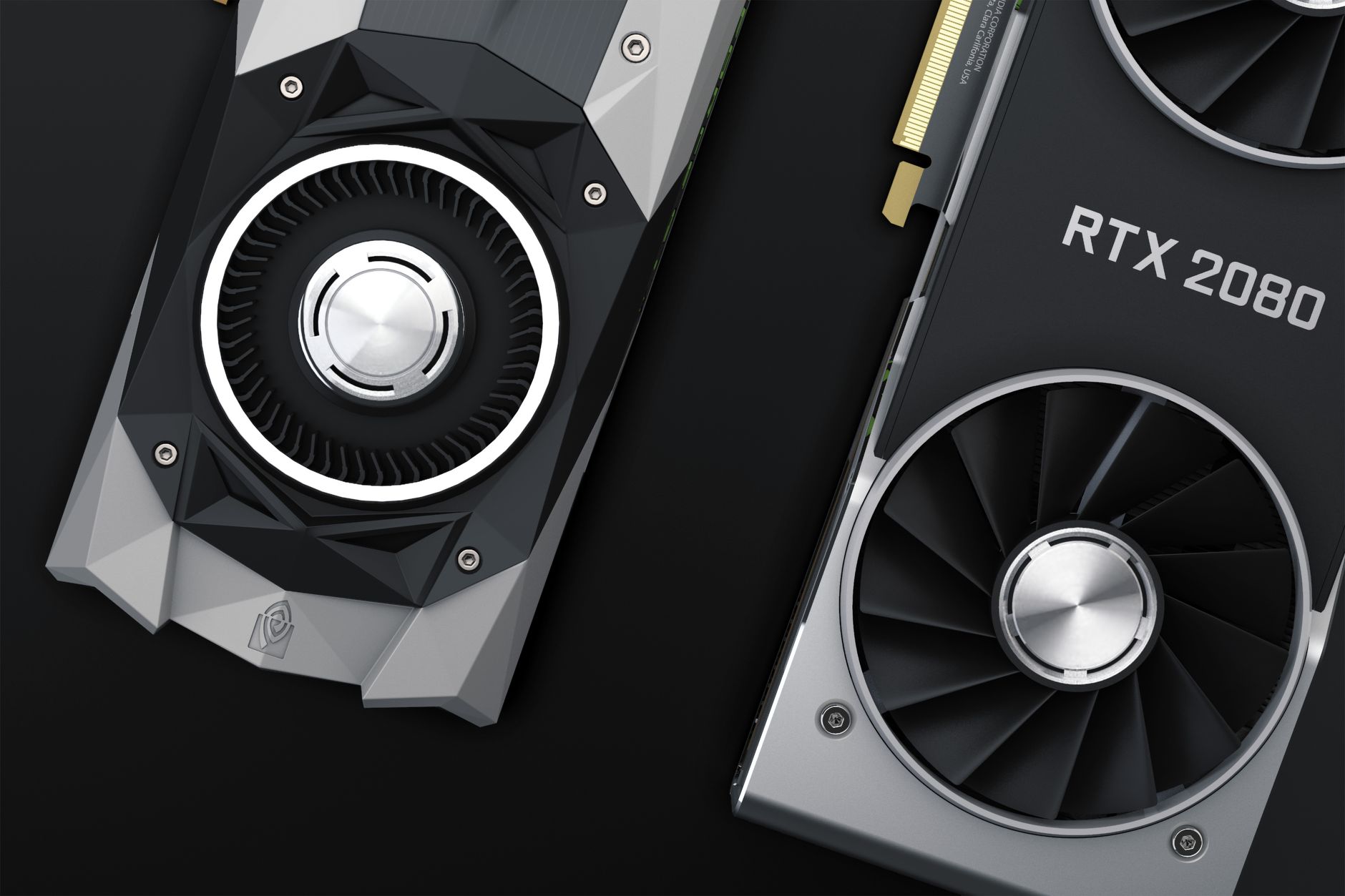
- Invest in Specialized Hardware: Using purpose-built hardware like GPUs or TPUs can enhance training efficiency, minimizing overall costs.
By implementing these strategies, organizations can effectively lower their AI model training costs while maximizing the performance and capabilities of their AI systems.
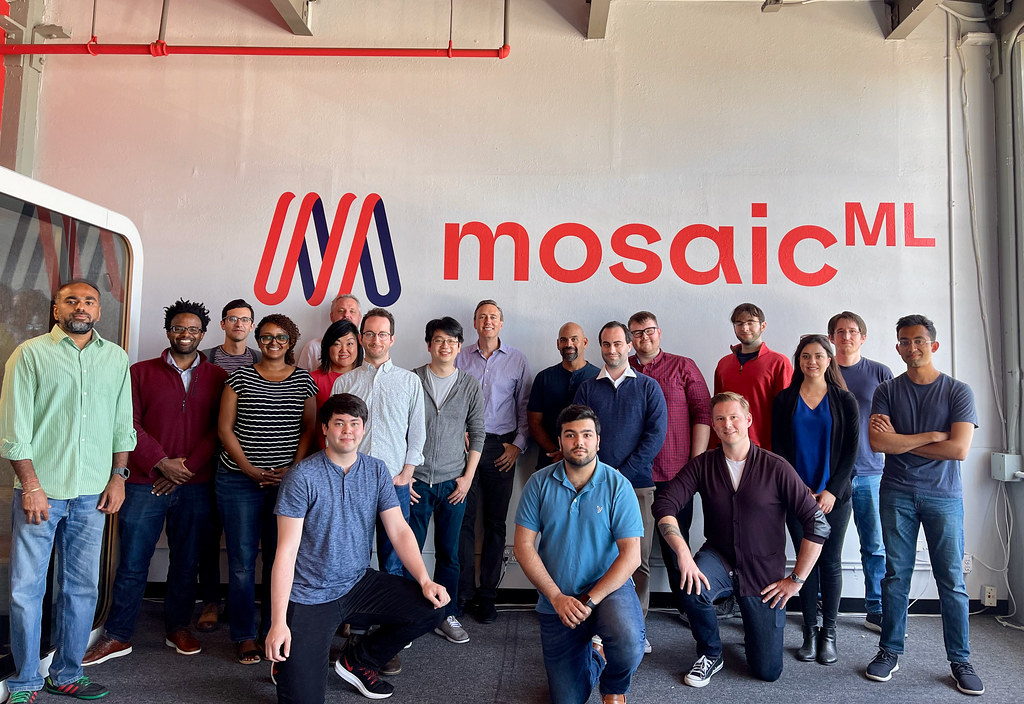
By jurvetson via Openverse
References
Related reading