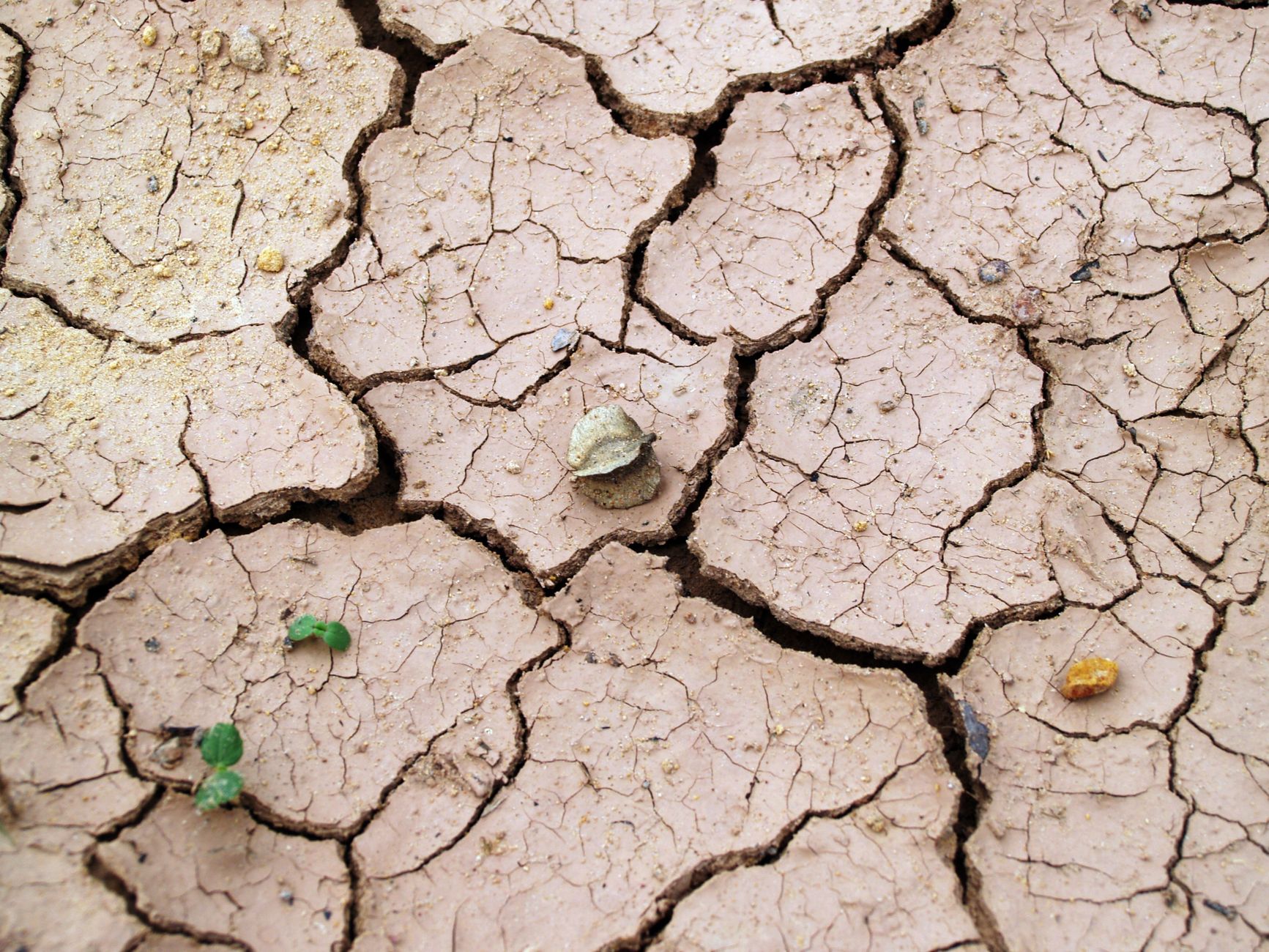
Climate Change Impacts: Worst Signs of Earth’s Limits Revealed
Climate change impacts are becoming increasingly severe, as new reports indicate that Earth’s vital signs have reached alarming extremes. This urgent situation calls for immediate attention and action.
Understanding Climate Change
Climate change has emerged as one of the most pressing challenges facing our planet, fundamentally altering ecosystems and human livelihoods. As we delve into understanding climate change impacts, it becomes evident that these changes are not merely abstract predictions but tangible realities already affecting communities worldwide.
Recent reports indicate that by 2026, the Earth exhibited alarming “vital signs” that revealed the extent of environmental strain. Notably, several critical indicators reached record extremes, showcasing the urgent need for comprehensive action.
- Rising Temperatures: Average global temperatures have increased significantly, leading to more frequent heatwaves.
- Extreme Weather Events: The intensity and frequency of storms, floods, and droughts have escalated, disrupting lives and economies.
- Melting Ice Caps: Polar ice sheets are melting at unprecedented rates, contributing to rising sea levels that threaten coastal communities.
- Ocean Acidification: Increased carbon dioxide levels are affecting marine ecosystems, particularly coral reefs.
These climate change impacts underscore the urgency of addressing this global crisis to safeguard our planet for future generations.
The Record Extremes of 2026
In 2026, the world witnessed a series of unprecedented events that underscored the alarming climate change impacts on our planet. Records were shattered across various environmental parameters, revealing the stark reality of Earth’s limits.
Among the most notable extremes were:
- Heatwaves: Many regions experienced the highest temperatures recorded in history, leading to severe health crises and overwhelming emergency services.
- Flooding: Intense rainfall resulted in catastrophic flooding, displacing thousands and damaging infrastructure.
- Wildfires: An increase in the frequency and intensity of wildfires devastated vast areas of forest, releasing significant amounts of carbon into the atmosphere.
- Melting Ice: Glaciers in both the Arctic and Antarctic continued to melt at alarming rates, contributing to rising sea levels.
These events serve as a critical reminder of the urgent need for action, as the consequences of inaction will have lasting impacts on biodiversity, human health, and global economies.
Key Vital Signs to Watch
As the world grapples with the undeniable effects of climate change, certain vital signs have emerged that indicate the severity of its impacts. Monitoring these signs is crucial for understanding the ongoing changes to our planet.
- Global Temperature Rise: Average global temperatures have reached unprecedented levels, highlighting the urgent need to address climate change impacts.
- Ocean Acidification: Increased levels of carbon dioxide have led to significant ocean acidification, affecting marine life and ecosystems.
- Melting Ice Sheets: The rapid melting of polar ice sheets is contributing to rising sea levels, posing threats to coastal communities.
- Severe Weather Events: An increase in the frequency and intensity of hurricanes, droughts, and floods has been directly linked to climate change.
- Loss of Biodiversity: Habitat destruction and changing climates are leading to a troubling decline in species diversity around the globe.
These indicators not only demonstrate the current state of our planet but also serve as a warning for the future. Addressing these climate change impacts is imperative for ensuring a sustainable environment for generations to come.
Implications for Our Planet
The implications for our planet as climate change impacts intensify are becoming increasingly dire. Scientists warn that the record extremes observed in 2026 serve as a stark reminder of the limits of Earth’s ecosystems. These changes threaten not only natural habitats but also human livelihoods and well-being.
Several key areas are particularly affected by these climate change impacts:
- Rising Sea Levels: Coastal communities face increased flooding and erosion, leading to displacement and loss of property.
- Extreme Weather Events: More frequent hurricanes, droughts, and wildfires disrupt food supply chains and endanger lives.
- Biodiversity Loss: Many species are at risk of extinction as their habitats become inhospitable, disrupting ecosystems.
- Health Risks: The spread of diseases, heat-related illnesses, and air quality issues pose significant threats to public health.
As these implications unfold, it becomes critical for governments and individuals to take action. Addressing climate change not only protects the planet but also ensures a sustainable future for generations to come.
What Can Be Done?
As the impacts of climate change become increasingly evident, it is crucial to consider actionable steps that individuals, communities, and governments can take to mitigate these effects. Addressing climate change not only involves reducing greenhouse gas emissions but also enhancing our resilience to its impacts.
- Transition to Renewable Energy: Shifting from fossil fuels to renewable energy sources such as solar, wind, and hydroelectric power can significantly reduce carbon emissions.
- Promote Sustainable Practices: Encouraging sustainable agriculture, forestry, and water management can help preserve our natural resources while adapting to changing climates.
- Enhance Public Transportation: Investing in efficient public transit options can reduce the number of vehicles on the road, thereby decreasing greenhouse gas emissions.
- Increase Awareness and Education: Raising awareness about climate change impacts and promoting education on sustainability can empower individuals to make informed choices.
- Support Climate Policies: Advocating for strong environmental policies can drive systemic changes needed to combat climate change on a larger scale.
Collectively, these actions can help mitigate the climate change impacts that threaten our planet’s future.
Photo by icon0 com on Pexels
Read the original
CBS News · Climate change impacts
Inference Microservices for Xeon: The Best Proven Solution · Is Anthropic Opus 6 Launch the Best Rival to OpenAI? · Is Resident Evil 2 Deluxe Edition the Best Switch Game?