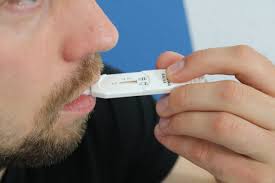
10 Panel Saliva Drug Test – Advanced Multi-Drug Detection with Oral Fluid Samples
The demand for fast, reliable, and non-invasive drug screening methods has increased significantly across workplaces, healthcare environments, and legal settings. Among modern solutions, 10 Panel Saliva Drug Test stands out as an efficient method for identifying multiple substances using oral fluid instead of traditional urine or blood samples. This approach offers a simpler collection process, reduces the risk of sample tampering, and provides quicker results, making it highly suitable for on-site testing scenarios. It is designed to detect a broad range of commonly misused substances while ensuring accuracy and convenience in real-world applications.
What is a 10 Panel Saliva Drug Test?
A saliva-based multi-panel screening method is a diagnostic tool used to detect drug compounds present in oral fluids. It typically includes ten different drug categories, offering a wide detection range in a single test. This method works by collecting saliva through a swab or absorbent device placed inside the mouth for a short duration. The collected sample is then analyzed for traces of drugs or their metabolites. Since oral fluid reflects recent substance use, it is especially useful for identifying impairment or very recent consumption. This makes it a preferred option for immediate screening needs in workplaces, roadside checks, and clinical assessments.
How Does a 10 Panel Saliva Drug Test Work?
The testing process begins with the collection of saliva using a sterile swab placed under the tongue or along the cheek. Once the sample is collected, it is exposed to chemical reagents or immunoassay strips designed to react with specific drug compounds. Each panel corresponds to a different substance category, allowing simultaneous detection in one test device. Results are typically visible within minutes, indicated by color changes or test lines. If needed, positive results may be confirmed through laboratory analysis for higher accuracy. The simplicity of the process allows even non-medical personnel to administer the test under proper guidelines.
What Substances Can It Detect?
A standard oral fluid multi-panel test is designed to identify a wide variety of commonly abused substances. These may include opioids, cannabinoids, amphetamines, cocaine metabolites, benzodiazepines, barbiturates, methamphetamines, methadone, phencyclidine, and tricyclic antidepressants. The ability to detect multiple categories at once makes it highly efficient for comprehensive screening. Since saliva testing is sensitive to recent use, it is particularly effective for identifying substances consumed within a short detection window. This feature is valuable for ensuring safety in environments where impairment can pose risks to individuals or others.
Why Choose Oral Fluid Testing Over Urine Testing?
Oral fluid testing offers several advantages over traditional urine-based methods. First, it is less invasive and more hygienic, as it does not require private restroom facilities or direct sample observation. Second, it significantly reduces the risk of sample adulteration or substitution, ensuring more reliable results. Third, collection is quick and can be performed under direct supervision without discomfort to the individual being tested. Additionally, saliva reflects more recent substance use, making it more suitable for detecting impairment at the time of testing. These benefits make oral fluid testing a practical choice in time-sensitive environments.
Where is a 10 Panel Saliva Drug Test Used?
This testing method is widely used across multiple sectors where safety and compliance are essential. In workplaces, it helps employers maintain drug-free environments and ensure employee safety, especially in high-risk industries such as transportation, construction, and manufacturing. In healthcare settings, it assists in patient monitoring and substance abuse evaluation. Law enforcement agencies also use saliva testing during roadside checks to quickly assess driver impairment. Additionally, rehabilitation centers use it to monitor recovery progress and prevent relapse. Its versatility makes it a valuable tool in both professional and clinical contexts.
Conclusion
The adoption of saliva-based drug screening continues to grow due to its speed, accuracy, and convenience. By enabling rapid detection of multiple substances through a simple oral sample, it supports safer environments and more efficient decision-making. The multi-panel format ensures comprehensive coverage, while the non-invasive nature improves compliance and usability. As organizations prioritize safety and efficiency, oral fluid testing is becoming an increasingly important component of modern drug screening strategies.