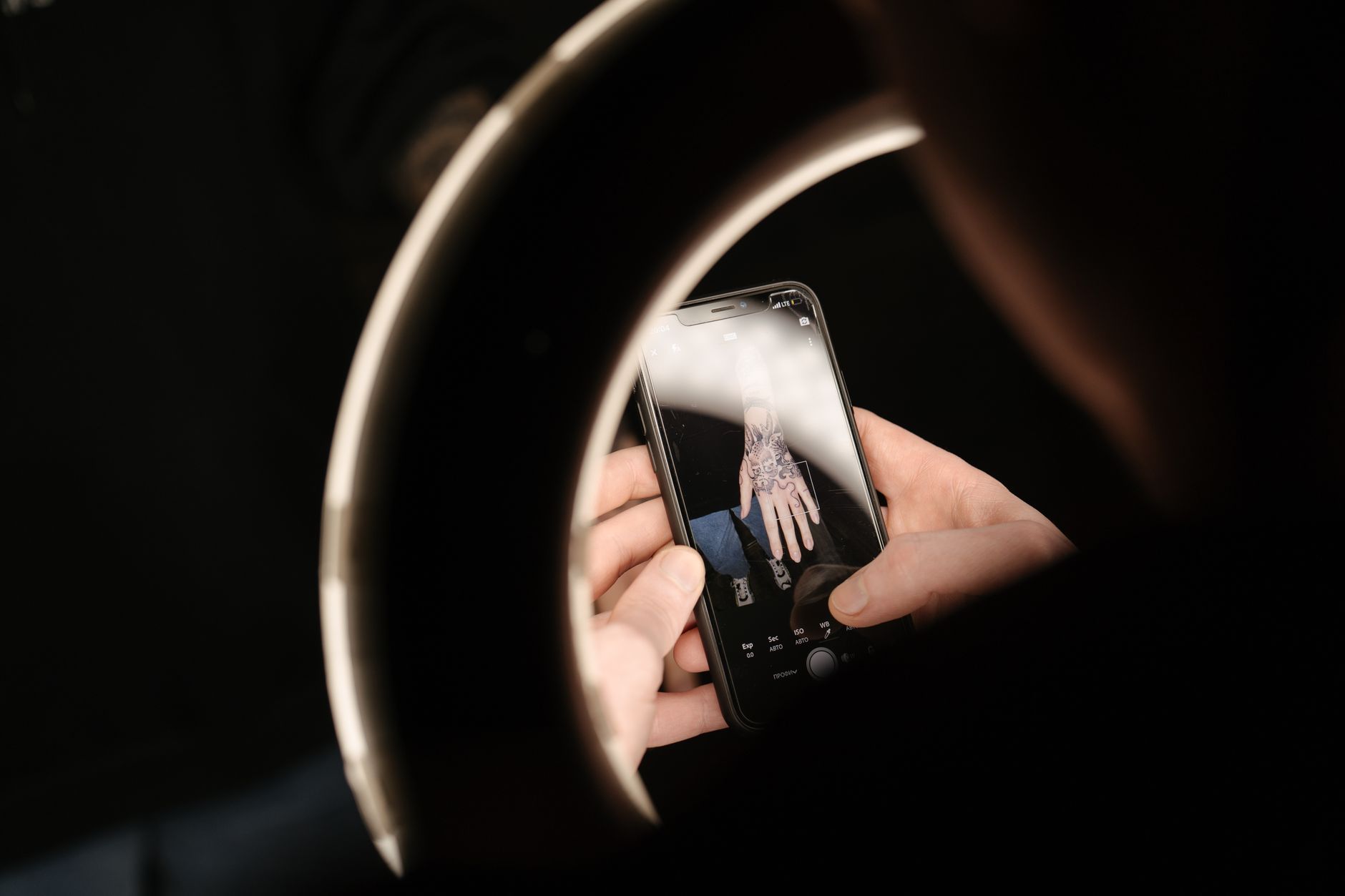
New tattoos technology: The Smart Way to Turn Ink On and Off
new tattoos technology is revolutionizing body art by allowing tattoos to ‘turn on and off’ with a simple chemical trick. This innovative approach opens up exciting possibilities for personalization and expression.
How Does the Technology Work?
The innovative approach behind the new tattoos technology involves a fascinating blend of chemistry and engineering. Researchers have developed a method that allows tattoos to change color or visibility based on external stimuli, such as temperature or light. This breakthrough could revolutionize the way people think about body art.
At the core of this technology is a specially designed ink that contains thermochromic or photochromic compounds. These compounds are sensitive to environmental changes, enabling the tattoos to respond dynamically. When exposed to heat or light, the ink undergoes a chemical reaction, altering its color or becoming invisible altogether.
The process can be broken down into several key components:
- Ink Composition: The ink used in these tattoos is made from safe, biocompatible materials that react to specific triggers.
- Application Method: Similar to traditional tattoos, the ink is injected into the skin, but with the added ability to modify its appearance.
- Control Mechanism: Users can have the ability to activate or deactivate the tattoo using a simple external source, such as a smartphone app.
This new tattoos technology not only enhances personal expression but also opens up possibilities for temporary designs, making it an exciting advancement in the world of body art.
The Science Behind Turning Tattoos On and Off
The recent advancements in new tattoos technology have opened the door to a fascinating concept: the ability to turn tattoos on and off. This innovative approach relies on a unique chemical process that responds to external stimuli, transforming the way we think about body art.
At the core of this technology lies the use of special inks that contain photo-reactive molecules. These molecules undergo a chemical change when exposed to specific wavelengths of light, allowing the tattoo to appear or disappear almost instantaneously. The process can be divided into several key components:
- Photo-reactive inks: These inks are engineered to react to light, enabling the visible change in the tattoo’s appearance.
- Light activation: By using a portable light source, users can control the activation of the tattoo, making it visible or invisible at will.
- Skin compatibility: The materials used in these tattoos are designed to be safe for the skin, minimizing the risk of irritation or allergic reactions.
This groundbreaking development not only enhances personal expression but also paves the way for future applications in medical and cosmetic fields. As researchers continue to refine new tattoos technology, the possibilities for creative expression and practicality are limitless.
Potential Applications of Smart Tattoos
The development of new tattoos technology offers a plethora of potential applications that could revolutionize various fields. These smart tattoos, which can be activated or deactivated at will, present exciting opportunities in healthcare, fashion, and even art.
In healthcare, smart tattoos could be used for continuous monitoring of vital signs. For instance, these tattoos could change color to indicate changes in glucose levels for diabetic patients or signal a medical emergency, providing vital information instantly. This could reduce the need for invasive procedures and enhance patient care.
In the fashion industry, new tattoos technology opens the door to dynamic body art. Wearers could modify their tattoos to match their outfits or moods, creating a personalized expression that evolves with their style. This innovation could attract a younger demographic eager for customizable fashion statements.
Moreover, smart tattoos could find applications in interactive art installations. Artists might incorporate these tattoos into their works, enabling viewers to engage with the art in unique ways, as tattoos could change according to environmental factors or viewer interaction.
With these diverse applications, the potential impact of new tattoos technology is vast, paving the way for innovations that merge art, healthcare, and personal expression in imaginative ways.
Safety and Risks of New Tattoo Technology
The emergence of new tattoos technology has sparked interest not only for its innovative applications but also for the safety concerns associated with it. As with any advancement in body art, understanding the potential risks is essential for anyone considering this cutting-edge option.
One of the primary concerns revolves around the materials used in creating these smart tattoos. Many incorporate electronic components or special inks that can respond to stimuli. While these materials are designed to be safe, the long-term effects on the skin and body are still being studied. Users must ensure they are informed about the composition of the inks and the technology involved in their tattoos.
Additionally, there is the risk of allergic reactions. Some individuals may react negatively to specific substances found in the inks or electronic components. It is recommended to conduct patch tests before committing to a full-scale tattoo.
Moreover, the potential for infection exists, especially if the tattoo is not applied in a sterile environment. Proper aftercare is crucial to minimize this risk. Tattoo artists must follow strict hygiene protocols to ensure the safety of their clients.
Lastly, as with any technological advancement, there is a possibility of device malfunction. Users should be educated about how to troubleshoot or seek assistance if their smart tattoo does not perform as expected.
Future of Body Art Innovations
The future of body art innovations is being reshaped by the emergence of new tattoos technology that allows for dynamic designs and personalized expressions. These smart tattoos, which can be activated or deactivated at will, open the door to a plethora of creative possibilities.
As artists and technologists collaborate, we can expect to see a surge in designs that respond to the wearer’s emotions or environmental stimuli. Imagine a tattoo that changes color based on your mood or one that reveals a hidden message when exposed to UV light. This level of interaction could revolutionize how individuals express themselves through body art.
Moreover, the potential applications extend beyond aesthetics. Health monitoring tattoos could provide real-time data about the wearer’s physiological state, making them invaluable in medical settings. These advancements could lead to innovations in personal safety, where tattoos alert individuals to environmental dangers or health issues.
However, with these possibilities come challenges. As the industry evolves, ensuring the safety of new tattoos technology will be paramount. Regulatory frameworks will need to adapt to address concerns over skin compatibility and long-term effects. The intersection of art and technology has never been more exciting, and the future promises to redefine our relationship with tattoos.
Photo by cottonbro studio on Pexels
Sources
Related stories
Week 8 football updates: The best plays and highlights · Bulgarian Startup Valuation: Varda Space’s $1.6B Achievement · Xbox Game Pass 2026: Is It the Best Gaming Subscription Yet?