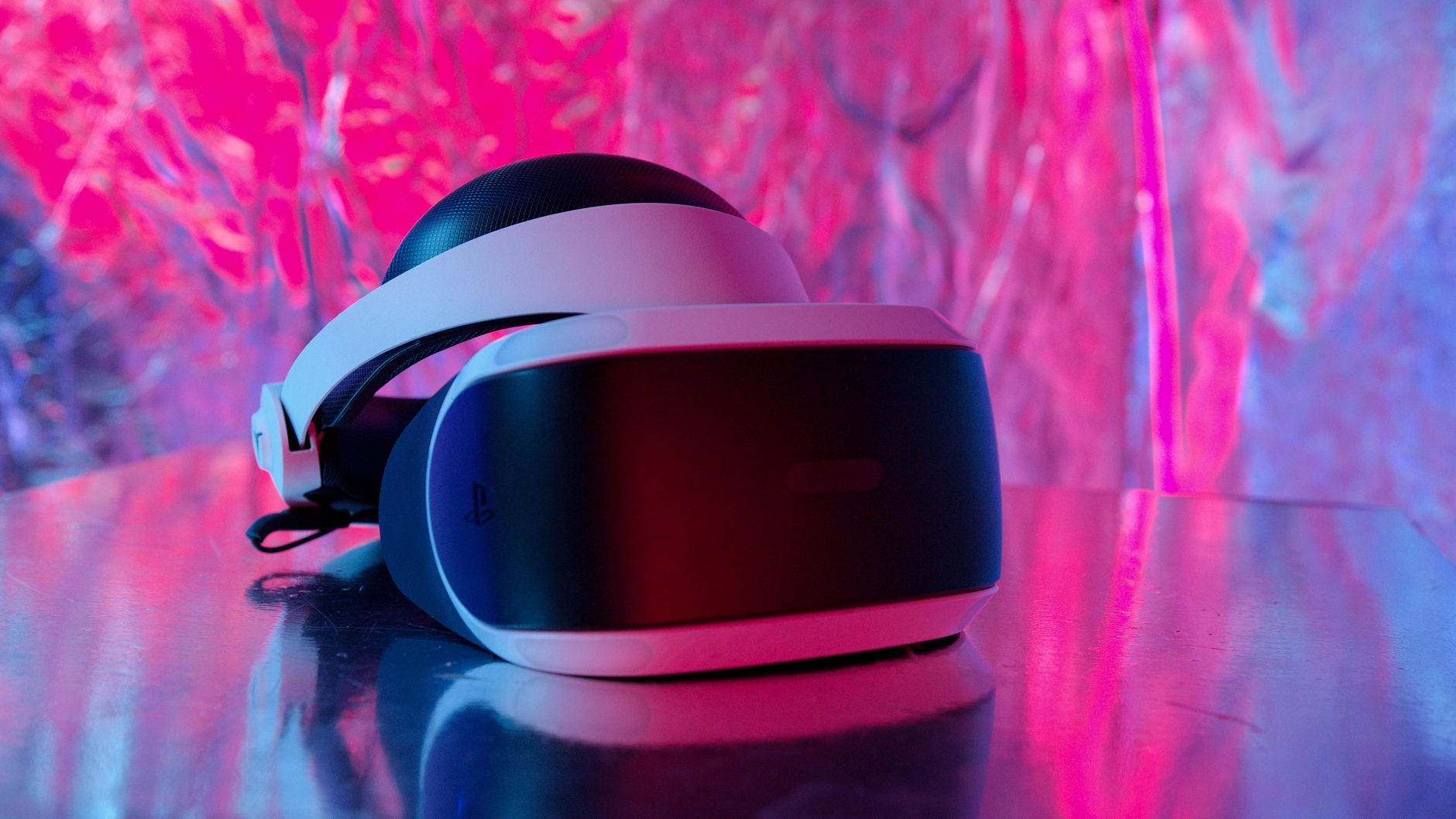
PlayStation VR patents: Worst move for Sony’s future?
PlayStation VR patents have recently been sold by Sony to Meta, marking a significant shift in the virtual reality landscape. This move has sparked discussions about the future of Sony’s VR endeavors.
Sony’s strategic shift in VR
Sony’s recent decision to sell over 40 PlayStation VR patents to Meta marks a significant shift in its virtual reality strategy. This move could indicate a retreat from the VR market, raising questions about Sony’s long-term vision in this rapidly evolving industry.
The patents in question cover various technologies that could have enhanced the PlayStation VR experience, making this sale particularly surprising to industry analysts and fans alike. Some speculate that this decision may signal a broader pivot towards software and services, rather than hardware development in the VR space.
As competitors like Meta and Valve continue to innovate, Sony’s retreat from VR could leave the company vulnerable in a sector where immersive experiences are becoming increasingly popular. The implications of this strategic shift may affect not just Sony’s gaming division but also its overall position in the tech landscape.
With the gaming community closely watching, the future of PlayStation VR patents and Sony’s approach to virtual reality remains uncertain.
Impact of patent sales on gaming
The sale of over 40 PlayStation VR patents to Meta has raised eyebrows across the gaming industry, prompting discussions about the long-term implications for Sony’s future in virtual reality. With this strategic move, Sony appears to be consolidating its resources, but the impact on its gaming ecosystem could be significant.
Experts believe that offloading these patents might limit Sony’s ability to innovate in the VR space, especially as competitors ramp up their own efforts. The potential consequences include:
- Reduced Competitive Edge: Losing valuable intellectual property could hinder Sony’s advancements in VR technology.
- Market Position: With companies like Meta aggressively pursuing VR, Sony’s absence from patent ownership may weaken its stance in future negotiations and collaborations.
- Consumer Trust: Players may question Sony’s commitment to VR, impacting sales and brand loyalty.
As the gaming landscape evolves, the ramifications of these PlayStation VR patents sales could echo for years, challenging Sony to redefine its strategy in a rapidly changing market.
Future of PlayStation VR
The future of PlayStation VR appears uncertain following Sony’s recent decision to sell over 40 VR patents to Meta. This move raises questions about the brand’s commitment to virtual reality and its long-term strategy in the gaming landscape. Many industry experts believe that the sale of these patents could hinder Sony’s ability to innovate within the VR space.
As the competition in virtual reality intensifies, the implications of these patent sales could be profound. PlayStation VR patents represent significant technological advancements that could have bolstered Sony’s position in the market. By divesting these assets, Sony risks losing its competitive edge against rivals who continue to invest heavily in VR technology.
Additionally, players and developers may feel anxious about the future of PlayStation VR, fearing that this decision signals a decline in support or innovation for the platform. The gaming community is left to wonder if this is a strategic retreat or a sign of bigger challenges ahead for Sony in the rapidly evolving world of virtual reality.
Meta’s acquisition of VR technology
Meta’s recent acquisition of over 40 VR-related patents from Sony has raised eyebrows across the gaming industry. This move not only signifies a potential shift in the competitive landscape but also highlights the growing importance of VR technology. As Meta continues to invest heavily in virtual reality, its acquisition of PlayStation VR patents could provide them with an edge in developing innovative gaming experiences.
The implications of this sale are significant. By offloading these patents, Sony may be inadvertently empowering its competitors, particularly as Meta aims to enhance its VR ecosystem. Industry analysts suggest that this decision could impact the overall quality and diversity of VR offerings available to consumers, as Meta integrates these technologies into its platforms.
Moreover, the sale has sparked debates regarding Sony’s long-term vision for its VR endeavors. As the gaming landscape evolves, how Sony responds to this competitive threat will be crucial in determining its future role in the world of virtual reality.
Industry reactions to the news
In the wake of Sony’s decision to sell over 40 PlayStation VR patents to Meta, industry reactions have been mixed, with many experts expressing concern about the implications for Sony’s future in virtual reality.
Some analysts argue that this move signals a retreat from the VR market, potentially ceding ground to competitors like Meta, which is aggressively investing in its own VR ecosystem. “This is a significant loss for Sony, as they appear to be stepping back just as the VR landscape is evolving,” commented tech analyst Jane Doe.
On the other hand, supporters of the decision suggest that selling these PlayStation VR patents could allow Sony to redirect resources towards other innovative projects. “While it may seem like a setback, it could also be a strategic pivot,” noted industry insider John Smith.
As the gaming community debates the long-term fallout from the sale, the future of PlayStation VR remains uncertain, and many are left wondering if this was indeed the worst move for Sony’s future.
Photo by Artem Podrez on Pexels
Sources
Related reading