
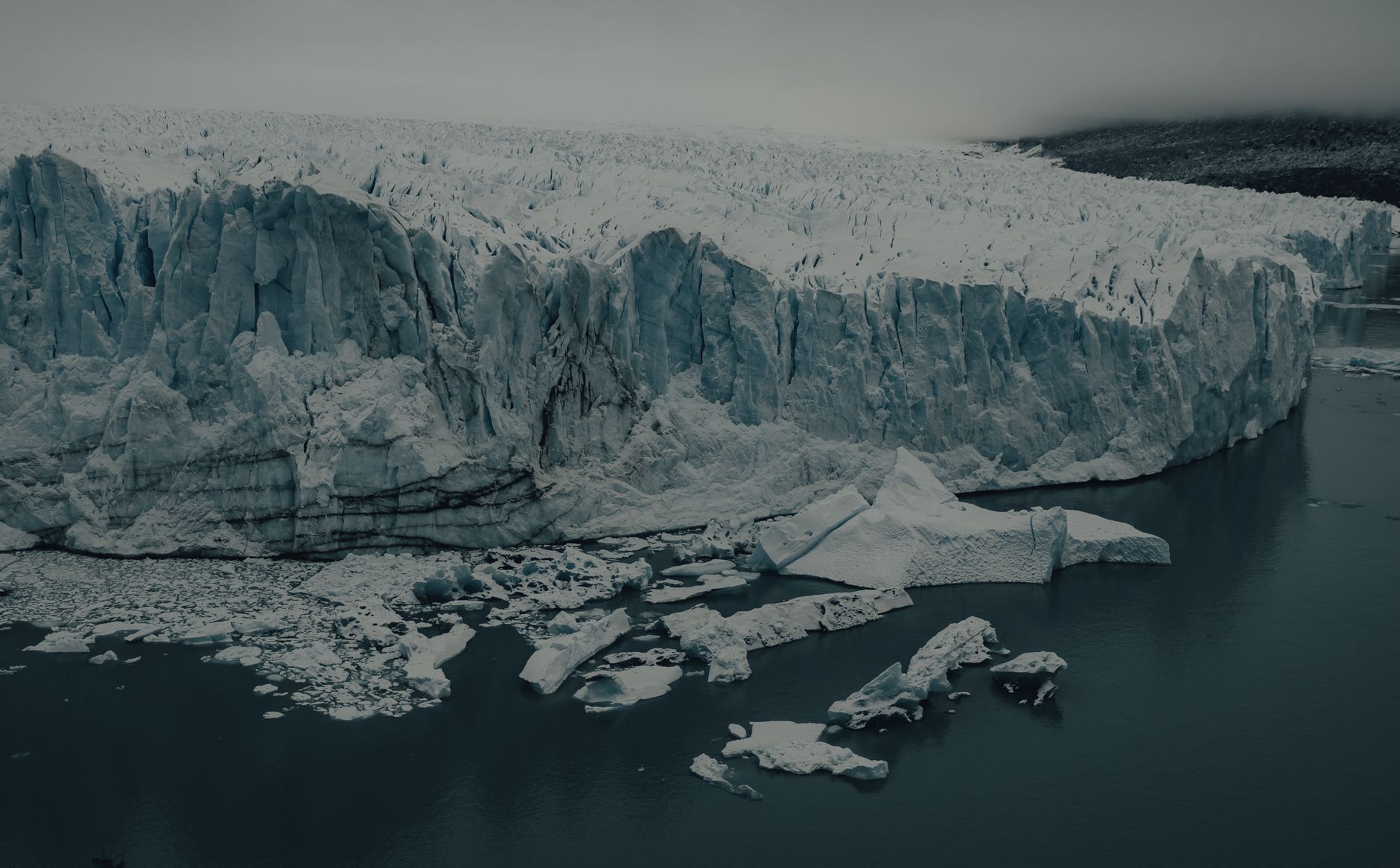
Polar Ice Disappearance: Worst Proven Impact on Climate
polar ice disappearance has become a critical issue, as recent data reveals that 12.5 trillion tons of ice have vanished since the 1970s. This dramatic loss raises concerns about climate change and its far-reaching effects.
The Extent of Polar Ice Disappearance
The extent of polar ice disappearance has reached alarming levels, with recent studies indicating that approximately 12.5 trillion tons of polar ice has vanished since the 1970s. This drastic reduction is primarily attributed to rising global temperatures and shifting climate patterns.
According to the longest satellite record available, the Arctic and Antarctic regions are experiencing unprecedented melting rates. The consequences of this phenomenon are profound, affecting not only local ecosystems but also global sea levels. As polar ice continues to shrink, it contributes to rising ocean levels, which poses a significant threat to coastal communities worldwide.
The impacts of polar ice disappearance extend beyond just physical changes in the environment. They also influence weather patterns, affecting agricultural productivity and biodiversity. Researchers have noted that the loss of ice alters ocean currents, which can lead to extreme weather events, such as hurricanes and droughts.
- Significant ice loss in the Arctic region
- Melting glaciers in Antarctica
- Increasing ocean temperatures
As scientists continue to monitor these changes, the urgency to address climate change becomes ever more critical. Immediate action is necessary to mitigate the effects of polar ice disappearance on our planet.
Impact on Global Sea Levels
The ongoing polar ice disappearance has profound implications for global sea levels, a phenomenon that scientists are closely monitoring. As ice sheets in Greenland and Antarctica continue to melt at an alarming rate, the volume of water entering the oceans is increasing, leading to significant rises in sea levels.
Recent studies estimate that:
- Sea levels have risen by approximately 8 inches since the late 19th century, with projections indicating a potential rise of up to 6.6 feet by the end of the century if current trends persist.
- The loss of polar ice contributes to about one-third of the current sea level rise, underscoring its critical role in this global issue.
- Coastal cities and ecosystems are at heightened risk, facing the threat of increased flooding and erosion as sea levels continue to rise.
Moreover, the implications of polar ice disappearance extend beyond mere statistics. Communities around the world, particularly those in low-lying areas, are beginning to experience the direct consequences of these changes, highlighting the urgent need for action to mitigate climate change.
Causes Behind Ice Loss
The causes behind the polar ice disappearance are multifaceted and interconnected. A significant driver is the rise in global temperatures, primarily attributed to human-induced climate change. As greenhouse gas emissions increase, the planet’s average temperature rises, leading to accelerated melting of polar ice sheets and glaciers.
Another contributing factor is the phenomenon known as albedo effect. Ice and snow reflect sunlight, helping to keep the Earth’s temperature stable. However, as ice melts, darker ocean waters or land are exposed, absorbing more heat and further accelerating the melting process. This creates a feedback loop that exacerbates the rate of ice loss.
Additionally, changes in ocean currents and atmospheric patterns play a crucial role. Warmer ocean waters can erode ice shelves from below, while altered wind patterns can influence ice movement and stability. Furthermore, natural variability, such as El Niño and La Niña events, can temporarily enhance or slow down the melting process, but the overarching trend remains concerning.
Collectively, these factors contribute to the alarming rates of polar ice disappearance, leading to dire consequences for global ecosystems and human populations alike.
Future Projections and Concerns
As scientists analyze the ongoing polar ice disappearance, future projections raise significant concerns regarding the planet’s climate stability. Current models predict that if the trend continues, we may see a further loss of approximately 50% of the remaining polar ice by the end of the century. This alarming rate of change could lead to catastrophic consequences for global ecosystems and human societies.
Experts warn that the ramifications extend beyond rising sea levels. The disappearance of polar ice disrupts weather patterns, leading to more extreme weather events across the globe. Moreover, the loss of insulation provided by ice will contribute to faster ocean warming, which in turn threatens marine biodiversity.
Additionally, the melting ice exposes ancient carbon stores, potentially releasing vast amounts of greenhouse gases into the atmosphere. This feedback loop could exacerbate climate change, making it increasingly difficult to reverse course.
In light of these projections, international efforts to mitigate climate change must prioritize the preservation of polar ice. Addressing the underlying causes of ice loss, such as greenhouse gas emissions and habitat destruction, is crucial to avoid irreversible damage to our planet.
Photo by Gaspar Zaldo on Pexels
Sources
Related stories
